Get Flowerbed Edging Installation
Local contractors can install flowerbed edging to define garden borders, prevent soil erosion, and enhance curb appeal for various landscaping projects.
Flowerbed edging installation can enhance the appearance and organization of outdoor spaces, making gardens more defined and easier to maintain. Property owners in the area often explore this work to improve curb appeal, prevent soil erosion, and create a polished, finished look for their landscaping projects. Whether planning a new garden layout or refreshing existing borders, exploring local service providers can help identify the best options for achieving a clean and attractive landscape.
By comparing local contractors who specialize in flowerbed edging, property owners can find experienced professionals capable of handling various styles and materials. This process allows for informed decisions based on the specific needs of each property, ensuring that the chosen solutions complement the overall landscape design. Continuing to explore available options can help property owners plan their projects effectively and connect with trusted service providers in the community.
- Flowerbed Edging Installation - when creating a defined border around garden beds to enhance curb appeal.
- Landscape Renovation - during major yard upgrades requiring new or replacement flowerbed edges.
- Garden Expansion - when extending planting areas that need fresh, professional edging for a polished look.
- Weed Barrier Installation - to improve garden maintenance by installing clean, durable flowerbed borders.
- Property Landscaping - as part of overall landscape design to add structure and visual interest to outdoor spaces.
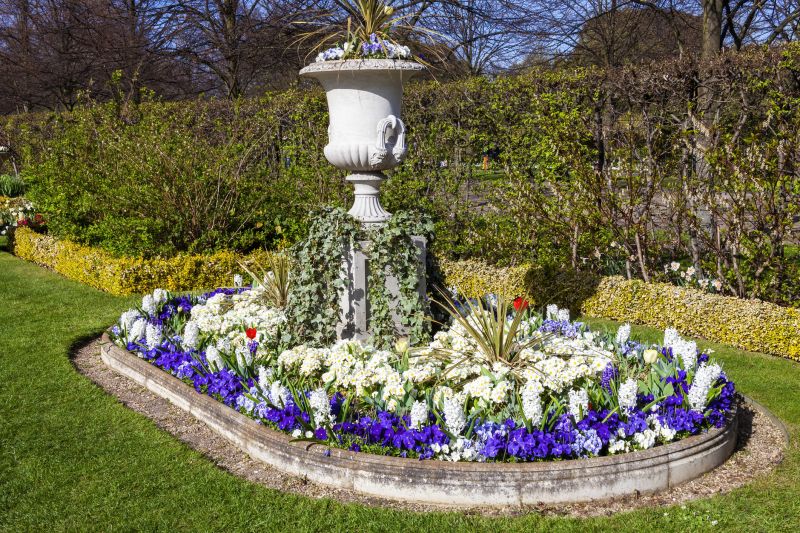
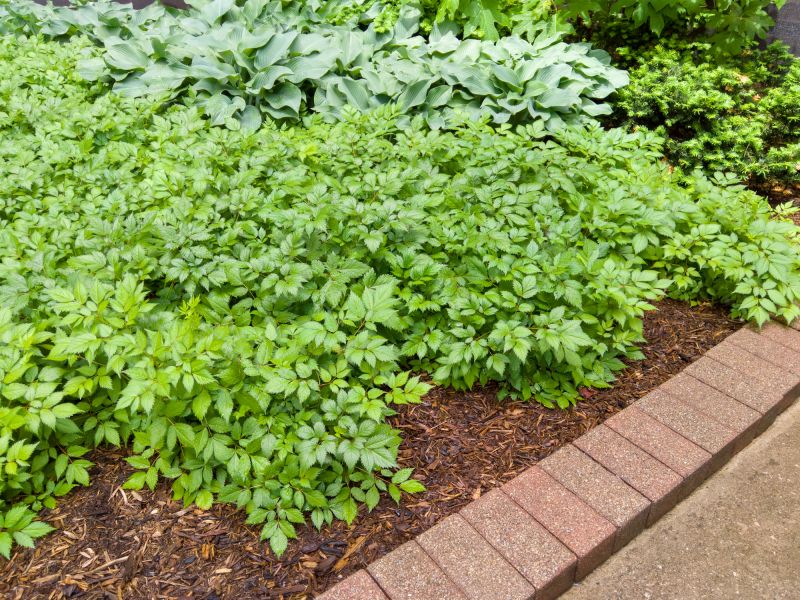
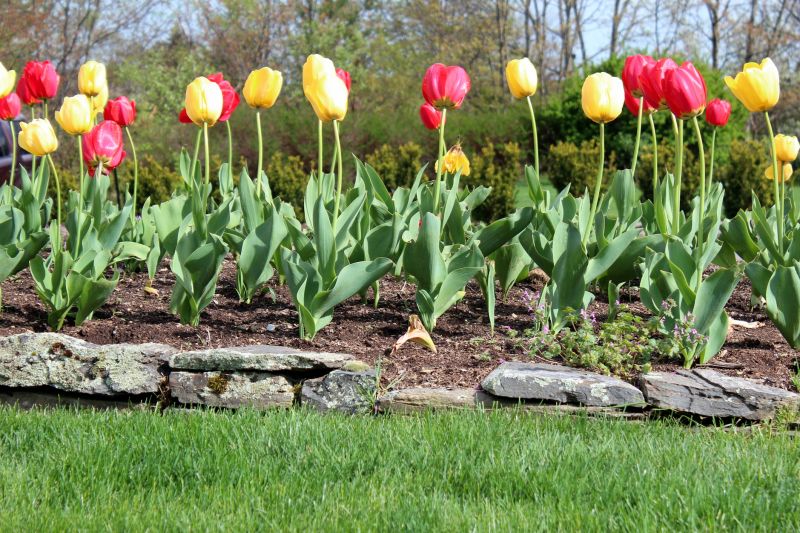
Flowerbed edging installation involves adding a defined border around garden beds to create a neat and attractive separation between planting areas and lawns or pathways. This service typically includes selecting the appropriate edging material, preparing the ground, and installing the border to ensure it stays in place over time. Whether using materials like brick, stone, plastic, or metal, professional installers focus on creating a durable and visually appealing edge that enhances the overall look of the landscape. Proper installation not only improves the appearance but also helps keep mulch, soil, and plants contained within the flowerbed, reducing maintenance and preventing erosion.
This service addresses common landscape problems such as uneven or overgrown edges, soil erosion, and difficulty maintaining tidy flowerbeds. Over time, unstructured garden borders can become overgrown, leading to a messy appearance and increased weed growth. Edging installation provides a clear boundary that keeps grass and weeds out of flowerbeds, making gardening easier and more efficient. Additionally, it helps prevent soil and mulch from spilling onto walkways or lawns, which can be a frequent issue in poorly defined garden areas. By creating a clean separation, flowerbed edging also helps to define garden spaces more clearly, making the yard look more organized and well-kept.
Property types that often benefit from flowerbed edging include residential homes, community gardens, and commercial properties with landscaped grounds. Homeowners who want to enhance curb appeal or improve the functionality of their garden spaces frequently seek this service. Properties with uneven or overgrown borders can particularly benefit from professional installation to achieve a polished and maintained look. Commercial properties, such as office complexes or retail centers, often use edging to create a professional appearance and maintain tidy landscaping. Even larger estates or public parks may incorporate flowerbed edging to delineate different garden sections and add structure to the overall landscape design.
Homeowners considering flowerbed edging installation typically do so when they notice issues like overgrown borders, weed intrusion, or a general desire to improve the garden’s appearance. This service is also useful when planting new flowerbeds, as it helps establish a clean, defined edge from the start. Those looking to reduce ongoing maintenance or prevent soil erosion will find this work beneficial. Whether upgrading existing garden borders or creating new ones, property owners can contact local contractors who specialize in landscape edging. These professionals can help select the right materials and ensure a proper, long-lasting installation that enhances the overall landscape.
The overview below groups typical Flowerbed Edging Installation projects into broad ranges so you can see how smaller, mid-sized, and larger jobs often compare in your area.
In many markets, a large share of routine jobs stays in the lower and middle ranges, while only a smaller percentage of projects moves into the highest bands when the work is more complex or site conditions are harder than average.
Smaller Repairs - For minor edging repairs or touch-ups, local pros typically charge between $100 and $300. Many routine maintenance jobs fall within this range, depending on the scope of work.
Basic Installation - Installing new flowerbed edging in a standard garden usually costs between $250 and $600. Most projects of this size are completed within this range, though costs can vary based on materials and yard size.
Full Replacement - Replacing an existing edging system with new materials generally ranges from $1,000 to $3,000 for larger, more complex projects. These tend to be less frequent but are common for extensive landscaping upgrades.
Larger, Custom Projects - Custom or decorative edging installations can reach $5,000 or more, especially for high-end materials or intricate designs. Fewer projects fall into this top tier, but prices can vary based on design complexity and yard size.
Actual totals will depend on details like access to the work area, the scope of the project, and the materials selected, so use these as general starting points rather than exact figures.
Retaining Wall Installation - involves working with similar materials and tools to create borders and define garden spaces, requiring planning and precise installation skills.
Garden Pathway Construction - includes laying pavers or stones to create walkways, which shares planning and surface preparation techniques with flowerbed edging.
Landscape Border Design - focuses on creating clean, defined edges around lawns and planting beds, utilizing similar cutting and leveling tools as edging installation.
Soil and Mulch Bed Preparation - involves preparing garden beds with edging to contain soil and mulch, requiring attention to detail and planning skills.
Deck or Patio Framing - entails constructing borders and supports that require precise measurements and foundational work akin to edging projects.
Garden Wall Construction - involves building small walls or borders that complement flowerbed edges, sharing techniques for structural stability and planning.
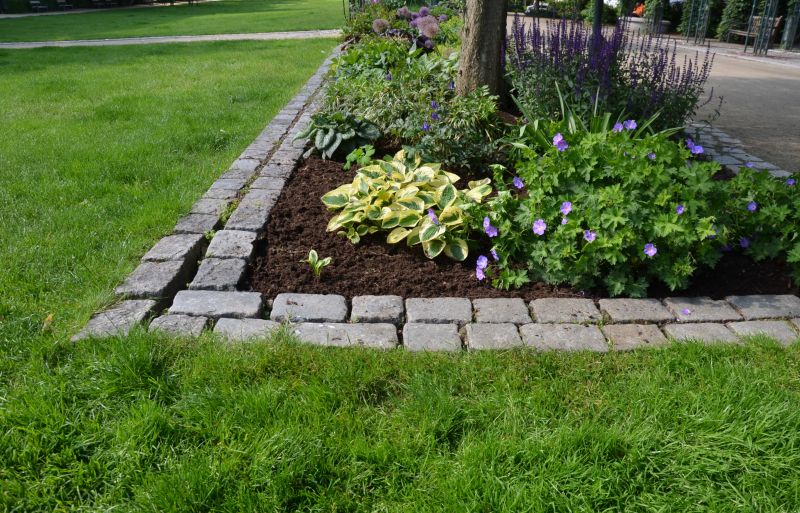
When evaluating service providers for flowerbed edging installation, it’s important to consider their experience with similar projects. Homeowners should inquire about how many flowerbed edging jobs they have completed and whether they have worked with the specific materials or styles desired. A contractor with a proven track record in landscape edging can often provide insights into what works best for different yard types and design preferences, helping to ensure the project meets expectations.
Clear, written expectations are essential to a successful partnership. Homeowners should seek out local contractors who can provide detailed descriptions of the scope of work, including the materials to be used, the installation process, and any preparations needed. Having this information in writing helps prevent misunderstandings and ensures that everyone is aligned on what the project entails, making it easier to compare options objectively.
Reputable references and good communication are key indicators of a reliable service provider. Pros who can provide references from previous clients allow homeowners to gain insights into their work ethic and quality. Additionally, a contractor who communicates clearly and promptly demonstrates professionalism and a commitment to customer satisfaction. These qualities can make the process smoother and more predictable, leading to a more positive experience from start to finish.
Property owners use Flowerbed Edging Installation services for practical projects around their homes and businesses. This guide focuses on everyday jobs and straightforward project options.
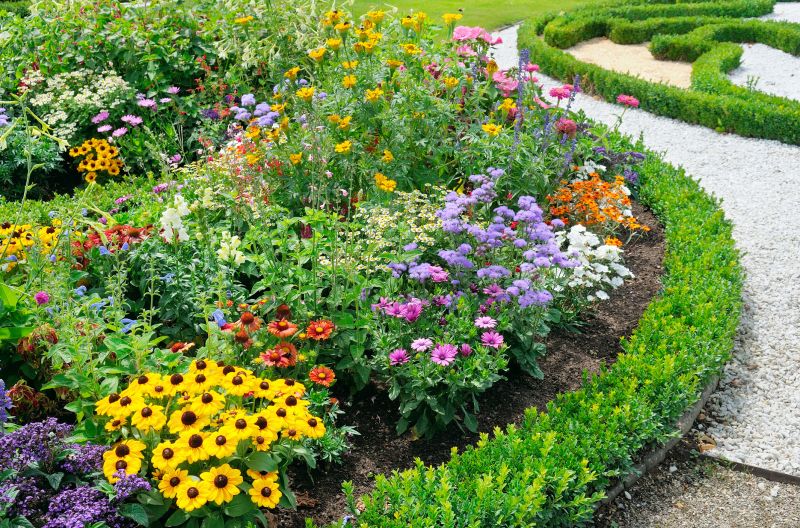
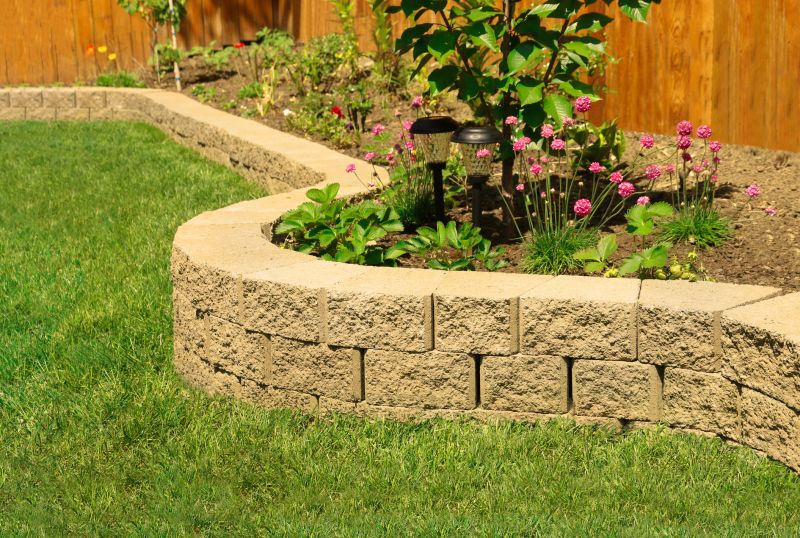
Flowerbed edging installation is a common project for property owners looking to define garden spaces and improve curb appeal. Homeowners often seek professional help when they want a clean, polished look for their flowerbeds, especially if they are dealing with uneven ground or need help choosing durable edging materials. Local contractors can assist with creating clear boundaries that help prevent soil and mulch from spilling into walkways or lawns, making garden maintenance easier and more manageable.
Many property owners turn to local service providers for flowerbed edging when they want to enhance the overall appearance of their outdoor spaces or prevent weed encroachment. Whether updating an existing garden or establishing new flowerbeds, these professionals can handle a variety of landscape edging needs. Engaging experienced local contractors ensures that the work is completed efficiently and that the finished result complements the style of the property.
What are the benefits of installing flowerbed edging? Installing flowerbed edging helps define garden borders, prevents soil erosion, and keeps mulch and soil contained, resulting in a neat and organized appearance.
What types of materials are used for flowerbed edging? Common materials include metal, plastic, stone, brick, and wood, each offering different aesthetic and durability options.
Can local contractors customize flowerbed edging to match my garden style? Yes, many service providers can tailor edging designs and materials to complement the existing landscape and personal preferences.
Is flowerbed edging suitable for all garden sizes? Flowerbed edging can be installed in gardens of various sizes, from small flower beds to large landscaped areas.
What should be considered when choosing flowerbed edging materials? Factors include durability, appearance, maintenance requirements, and how well the material suits the garden's overall design.
Define garden boundaries - Installing flowerbed edging helps clearly separate flower beds from lawns or pathways for a tidy appearance.
Prevent soil erosion - Edging keeps soil and mulch contained within flowerbeds, reducing washout during heavy rains.
Create visual interest - Well-installed edging adds a polished look and defines planting areas for enhanced curb appeal.
Simplify maintenance - Edging makes it easier to mow and garden around flowerbeds, saving time and effort.
If you are thinking about Flowerbed Edging Installation for a property, this guide is meant to help you understand the work, the typical project types, and how different options might fit your plans.
When you are ready, you can use the quote form on this page to share a few details about your project. From there, local pros can review the basics and respond with options that match what you have in mind.